The Lass of Richmond Hill: A Local Legend Steeped in Tragedy
On Richmond Hill there lives a lass,
More bright than May-day morn,
Whose charms all other maids surpass,
A rose without a thorn.
These words, from the popular 19th-century ballad The Lass of Richmond Hill, have become woven into the folklore of this scenic corner of southwest London. While the identity of the “lass” remains contested, one particularly poignant theory links her to a true and tragic tale from the late 18th century.
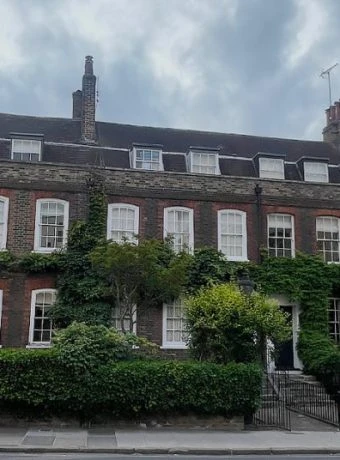
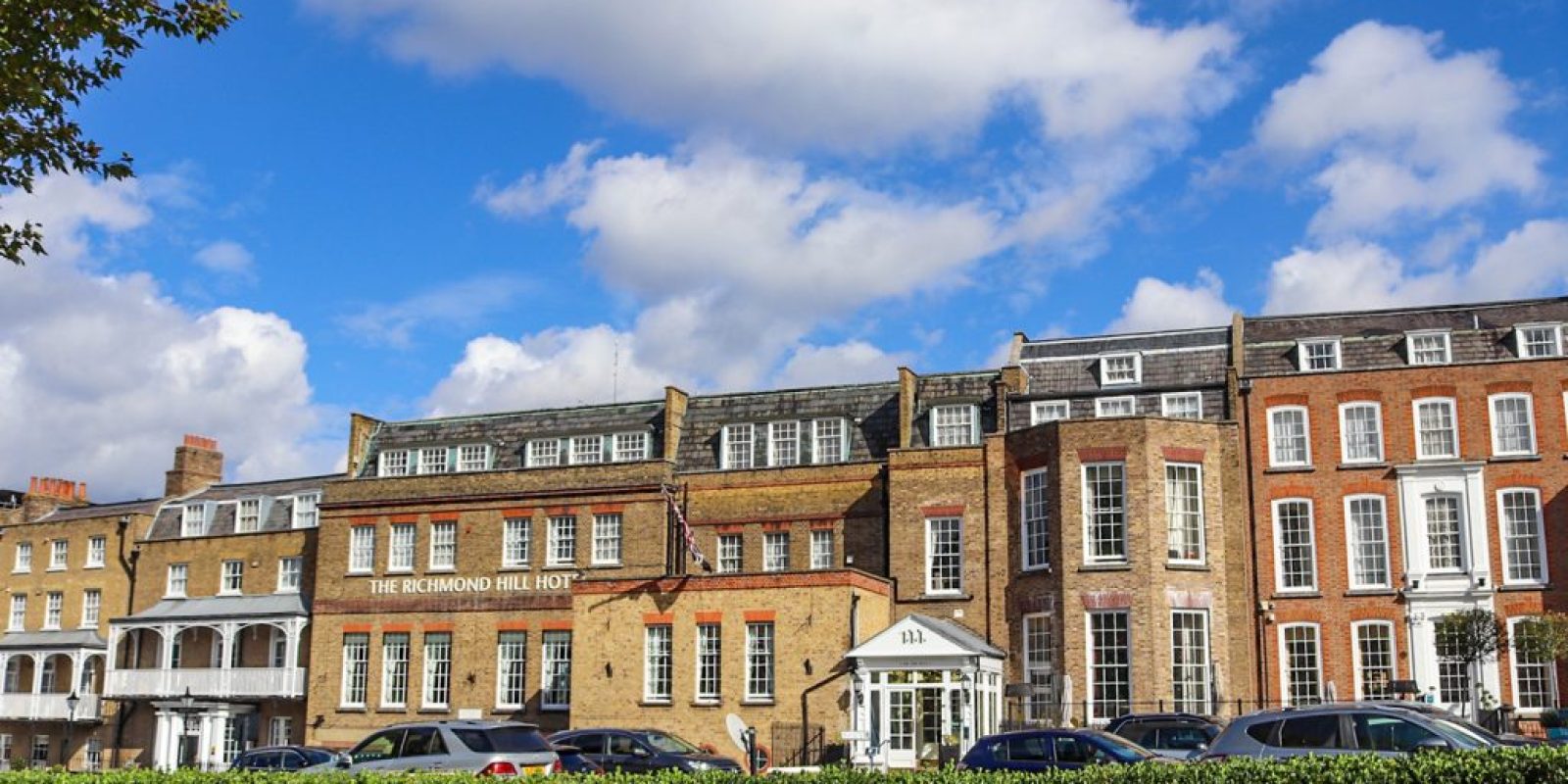
In April 1782, Susanna Cropp, a 27-year-old Richmond Hill resident and daughter of wealthy merchant Richard Cropp, took her own life after falling in love with a man deemed unsuitable by her family. Her lover, an officer of good character but modest means, was considered an unworthy match by her father. Fearing she might elope, he barred the officer from the house, and Susanna was confined to her home, now known as the Richmond Hill Hotel.
Stricken with grief and despair, Susanna reportedly threw herself from an upper window of the house. She died instantly on the stone steps below. Her death received only a short notice in the local newspaper, probably out of respect for her family’s social standing. Her lover was later posted to America, where he died in action.
The story resurfaced decades later when writer Clementina Black published The Cumberland Letters in 1921. Drawing on correspondence from the British Library, Black recounted letters from Richard Dennison Cumberland, a relative of the Cropp family. These letters describe Susanna’s fate in detail, lending weight to the theory that she was the true inspiration behind the legendary “lass.”
Yet hers is not the only claim. Several women have been proposed as the muse behind the song, first read publicly in 1807 at Vauxhall Gardens, then London’s most celebrated pleasure ground. It was written as a poem by Rev. Thomas Maurice and later set to music, enjoying great popularity throughout the 1800s.
The building from which Susanna is said to have leapt has its own layered history. Following her death, it became Mansfield House, home to the Duchess of Mansfield until 1843. Around the turn of the century, it was transformed into The Queen’s Hotel, incorporating neighbouring houses built in the 1830s, before adopting its current name, The Richmond Hill Hotel.
The land itself, now shared by The Richmond Hill Hotel and the adjacent Harbour Hotel, was once part of Richmond Common. In 1621, a Crown lease granted to Thomas Mercer allowed a windmill to be constructed at the junction of Queen’s Road and Star & Garter Hill, a landmark that stood for more than a century.
While the true identity of the Lass of Richmond Hill may never be confirmed, Susanna Cropp’s tragic story continues to haunt the area. As I walk past the Richmond Hill Hotel, I often pause to remember her and wonder whether it was truly she who inspired those enduring lines:
This lass so sweet, with smiles so sweet,
Has won my right good will,
I’d crowns resign to call her mine,
Sweet Lass of Richmond Hill.
Did you know?
-
The Lass of Richmond Hill was a popular 19th-century ballad celebrating a mysterious young woman from Richmond.
-
One theory claims the song was inspired by Susanna Cropp, a 27-year-old Richmond Hill resident from a wealthy merchant family.
-
In 1782, Susanna took her own life after being forbidden to marry an army officer considered socially unsuitable by her father.
-
Her family home is now the Richmond Hill Hotel — the same building from which she is said to have jumped.
-
The story was later uncovered in The Cumberland Letters (1921), based on 18th-century correspondence held in the British Library.
-
Though her identity remains unconfirmed, Susanna’s tragic story continues to haunt local history — and perhaps the song itself.